Workplace Design For Mental Health
Mental Health Awareness Week (11–17 May 2026) is an opportunity to pause, reflect and take meaningful action. With this year’s theme centred on “Action”, the focus is not just about awareness, but the steps we take every day to support wellbeing.
At SPACE, we believe one of the most effective ways to take action is through design. The spaces we create do not just shape how people work, they shape how people feel.
Designing With People In Mind
Workplace design plays a significant role in mental wellbeing. From layout and lighting to noise and colour, our surroundings can directly influence stress levels, focus and overall mood.
That is why our approach starts with a simple principle: design for people, not just for space.
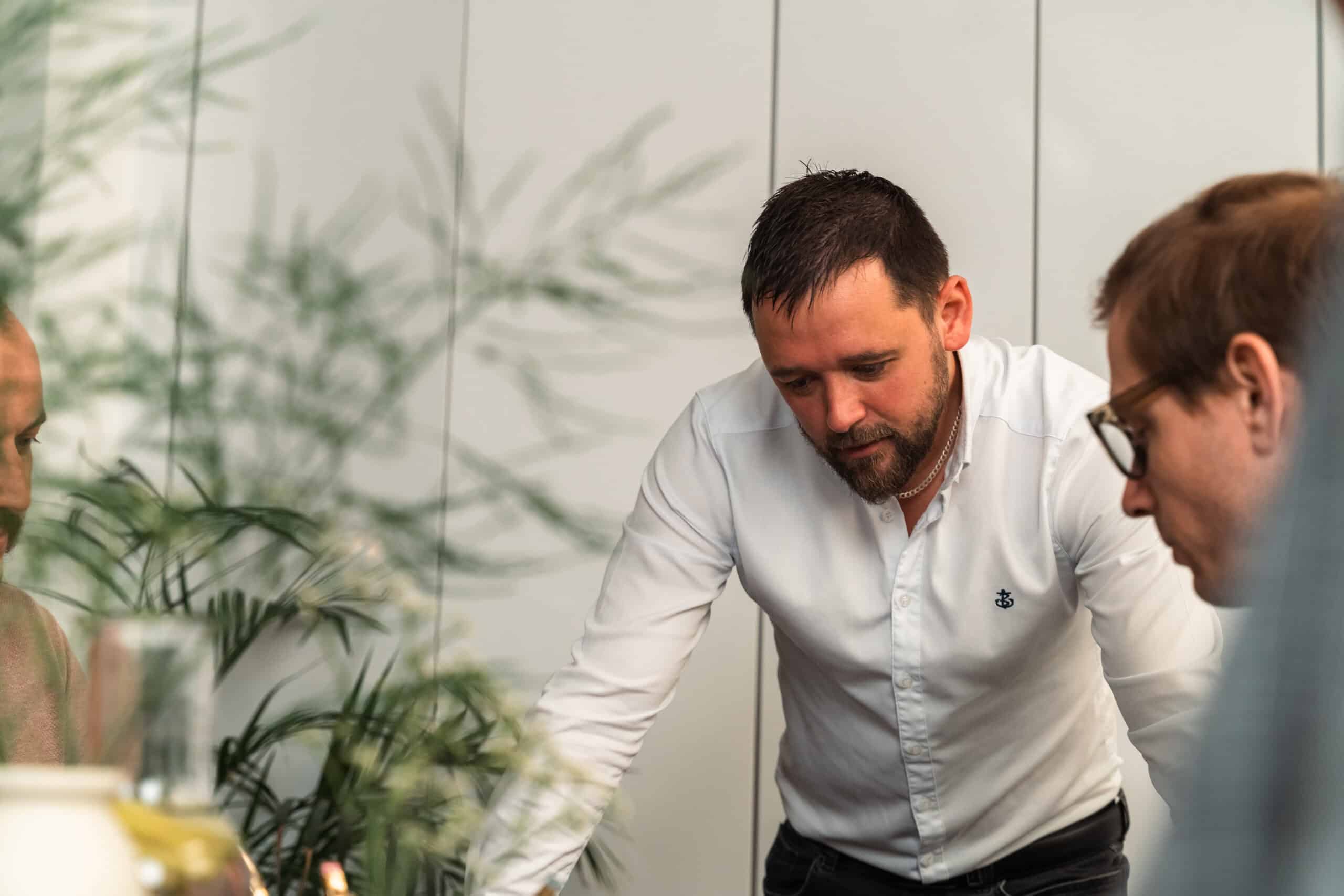
As Group Design Director David explains:
“Great workplace design isn’t about forcing people into one way of working. It’s about giving them choice. The more flexible a space is, the more it can support different personalities, tasks and moods throughout the day.”
Flexibility: Creating Spaces That Adapt
Flexibility sits at the heart of every workplace we design. No two days are the same, so the environment needs to adapt to the people using it.
This can include:
- Quiet spaces for focused work
- 1-to-1 rooms with soft lighting and comfortable seating
- Open, social areas for collaboration
- Adaptable layouts that can evolve with the business
Providing this variety gives people the freedom to choose how and where they work best, supporting both productivity and wellbeing.
As David adds:
“It’s about creating ‘space for all’. Not everyone thrives in a busy, open-plan environment and not everyone wants to be shut away. The balance is what makes a workplace really work.”
Wellbeing Led Design Details
For our designers, it is often the smaller details that have the biggest impact.
Project Designer Laura explains:
“Lighting and colour play a huge role in how a space feels. Harsh lighting or strong contrasts can be overwhelming, while softer tones and natural light help create a calmer, more comfortable environment.”
Maximising natural light is always a key consideration, not just aesthetically but because of its proven impact on mood and energy levels.
Alongside this, careful use of colour, texture and materials helps create spaces that feel balanced rather than overstimulating.
Creating Places To Pause And Reset
Mental wellbeing is not just about productivity. It is also about giving people the opportunity to step away and reset.
That is why we design in:
- Focus pods and quiet zones
- Relaxed breakout and soft seating areas
- Social and informal spaces
- Access to outdoor or nature-inspired environments where possible
Bringing elements of nature into the workplace, known as biophilic design, has been shown to reduce stress and improve overall wellbeing.
As Laura puts it:
“It’s important that people have somewhere to step away, even briefly. Whether it’s a quieter corner, a soft seating area or somewhere with a connection to nature, those moments to reset really matter.”
A Real World Example: PE Ltd
This approach is something we have applied across recent projects, including our work with PE Ltd.
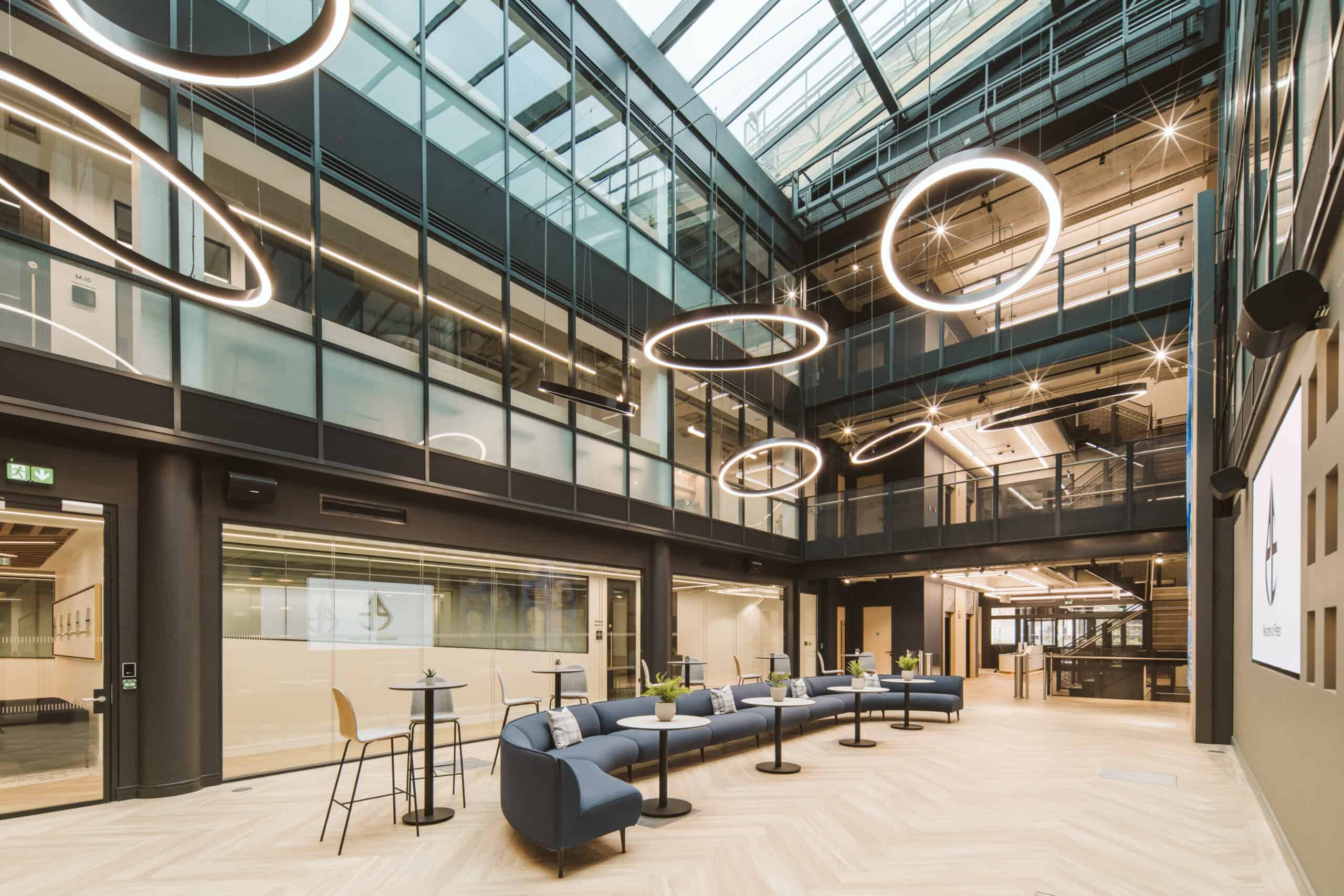
Within the space, particular focus was placed on creating a balance of environments to support different ways of working. This included quieter areas for focus, more open spaces for collaboration and softer breakout areas designed to encourage people to step away from their desks when needed.
Lighting, colour and layout were carefully considered to avoid overly harsh contrasts and to create a more comfortable, welcoming feel throughout the workspace. Natural light was maximised wherever possible, and the layout was optimised to improve flow while still offering moments of privacy.
The result is a space that not only supports productivity, but also gives people choice, flexibility and the ability to work in a way that suits them. Click here for the full case study.
Balancing Social Connection And Focus
A well-designed workplace should support both connection and concentration.
Social areas encourage interaction and a sense of community, while quieter zones give people space to focus or decompress. Striking the right balance between these elements is key to creating an environment where people feel supported.
It is not about choosing one over the other. It is about designing for both.
Taking Action Through Design
Mental Health Awareness Week reminds us that even small changes can have a meaningful impact. In workplace design, those changes are often built into the details, how a space feels, how it functions and how it supports the people using it.
At SPACE, we see every project as an opportunity to create environments that genuinely support wellbeing. Because when design is done well, it does not just improve a space, it improves how people experience it.